
Strengthening & Lengthening the Psoas
Being in the fitness industry for so many years, the psoas muscle has always fascinated me. The psoas is crucial for our low back and pelvis, acting both as a powerful hip flexor and core stabilizer. Over the years, I have come across many clients with tight and weak psoas muscles that cause low back pain.
Let’s explore why.
The psoas attaches from the lower back (lumber spine) through the pelvis to the inside leg. It is a prime hip flexor, but it also assists in stabilizing the low back and pelvis.
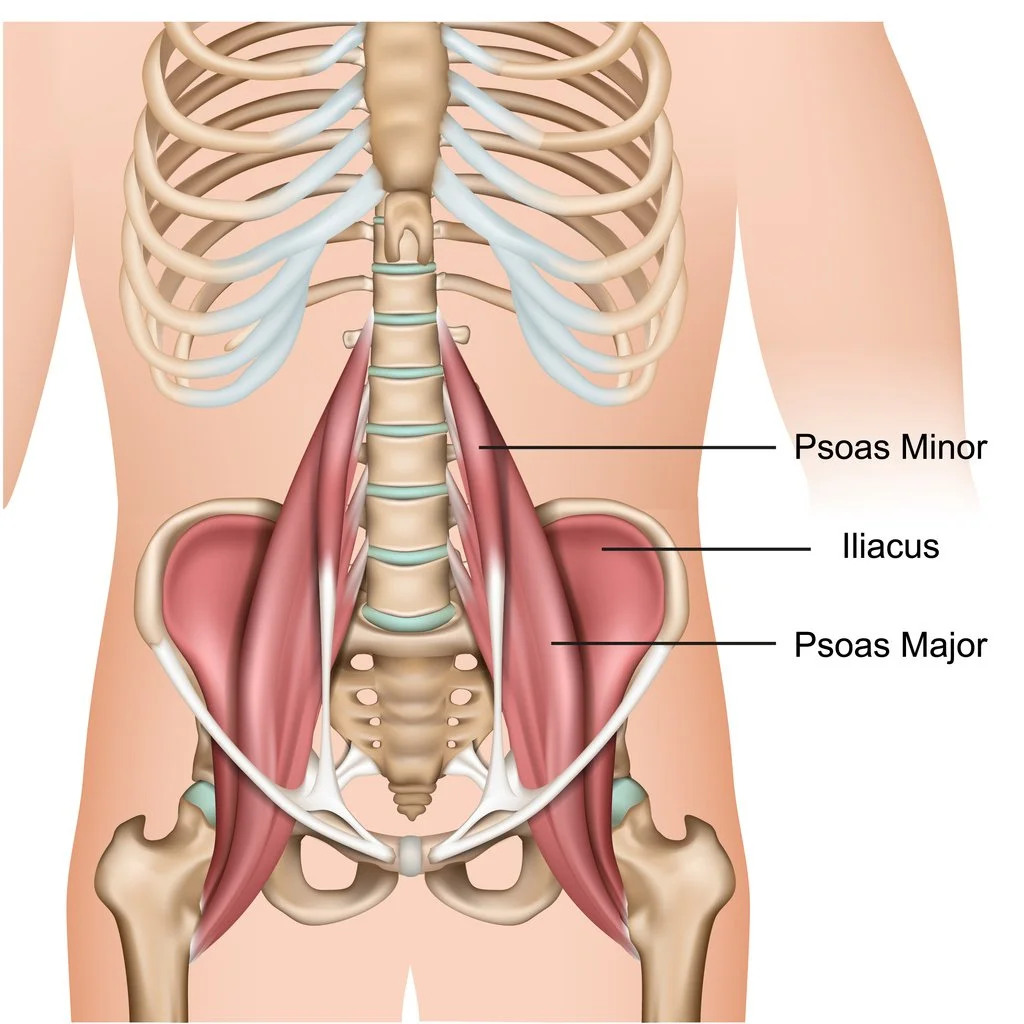
iStock image
If the psoas becomes tight it pulls on the low back, causing instability and tightness in the lumbar spine. The biggest culprit is prolonged sitting, which keeps the psoas in its shortened position for too long. Consequentially, the muscle adapts to this pattern and resists lengthening when it needs to. Another issue arises when one side of the psoas is tighter than the other side, leading to an imbalance. This can cause tension on one side of the lumbar spine and sacroiliac (SI) joint. Muscular imbalances in the body, especially in the trunk, have been proven to be a major cause of pain and discomfort.
Another way the psoas can become tight is from overuse and repetitive sports, especially in runners, dancers, and soccer players.
I came across a brand new study about the psoas in gymnastics and martial art athletes. The researchers of the study explained how the psoas should have a good amount of type 1 muscle fibres (the endurance ones) to stabilize the lumbar spine (Zhou et al., 2026). With certain athletes, their psoas adapts by developing too many type 2 muscle fibres (the power ones). When this occurs, the adapted psoas doesn’t have the ability to help stabilize the lower back and pelvis as it lacks the required endurance (Zhou et al., 2026). I thought that was fascinating: that it’s important the psoas be trained for both endurance and power.
What I love about Pilates is there are so many exercises in the system that strengthen and lengthen the psoas.
Pilates mat exercises like the roll up, single leg circle, leg pull, and the series of five are great examples:
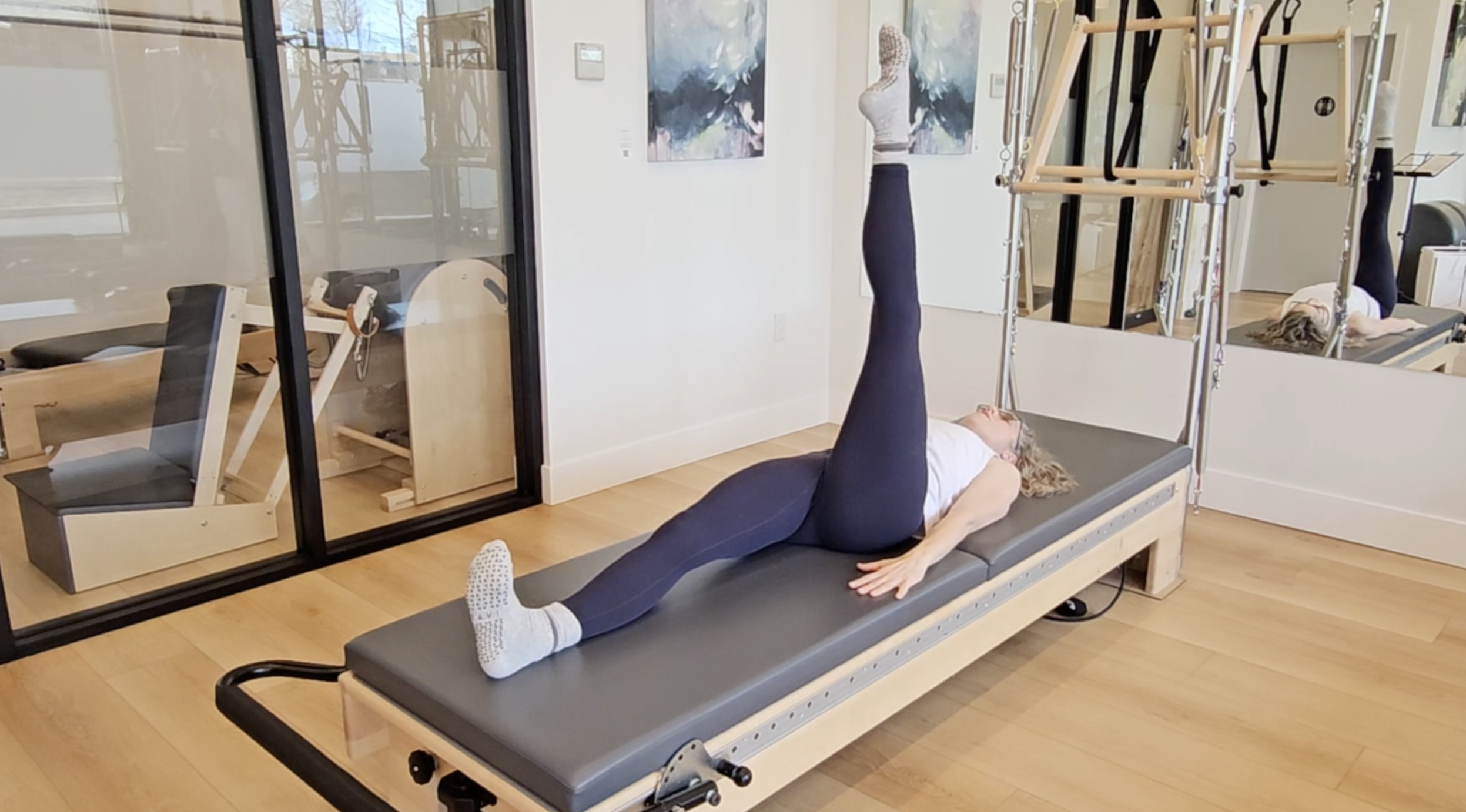
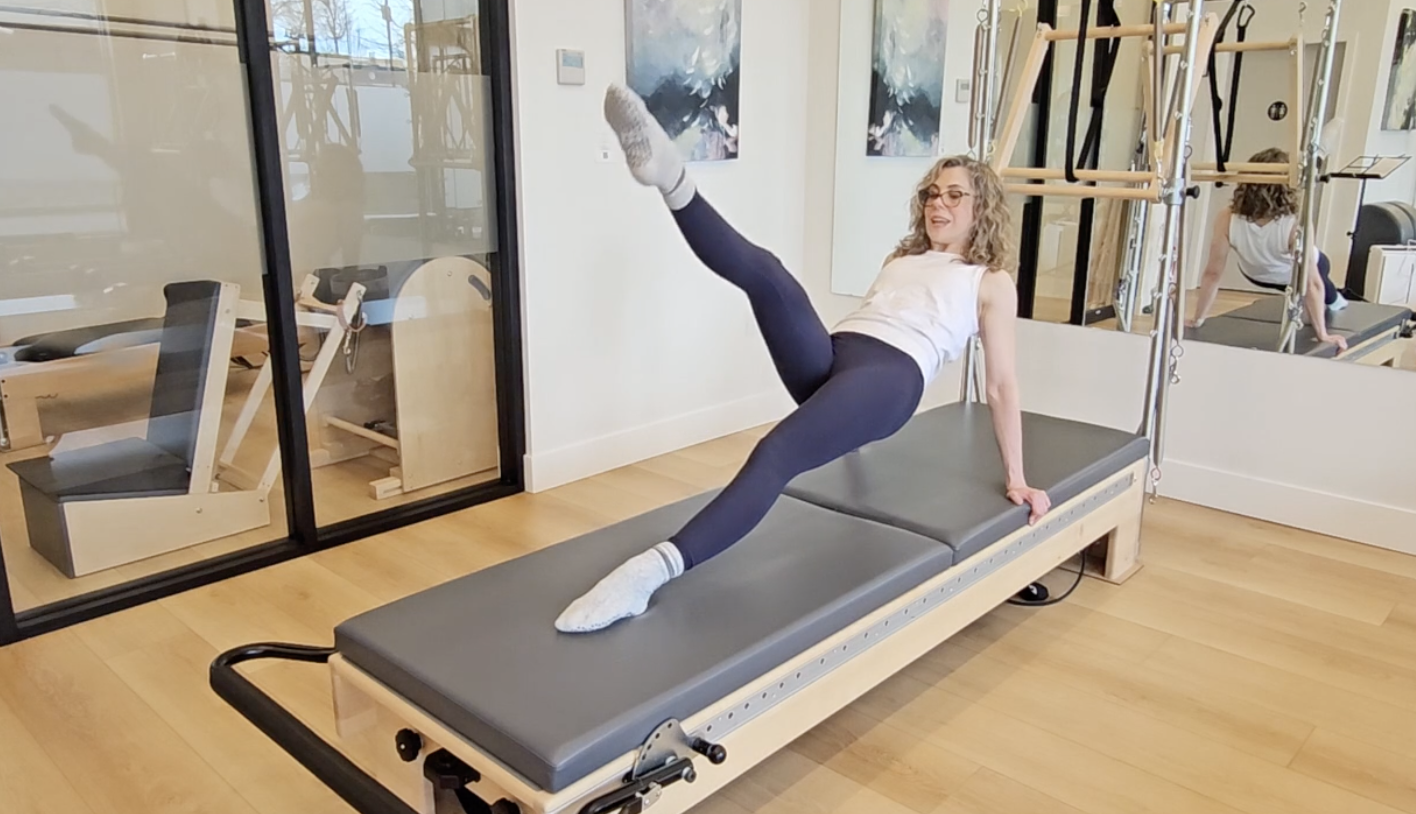
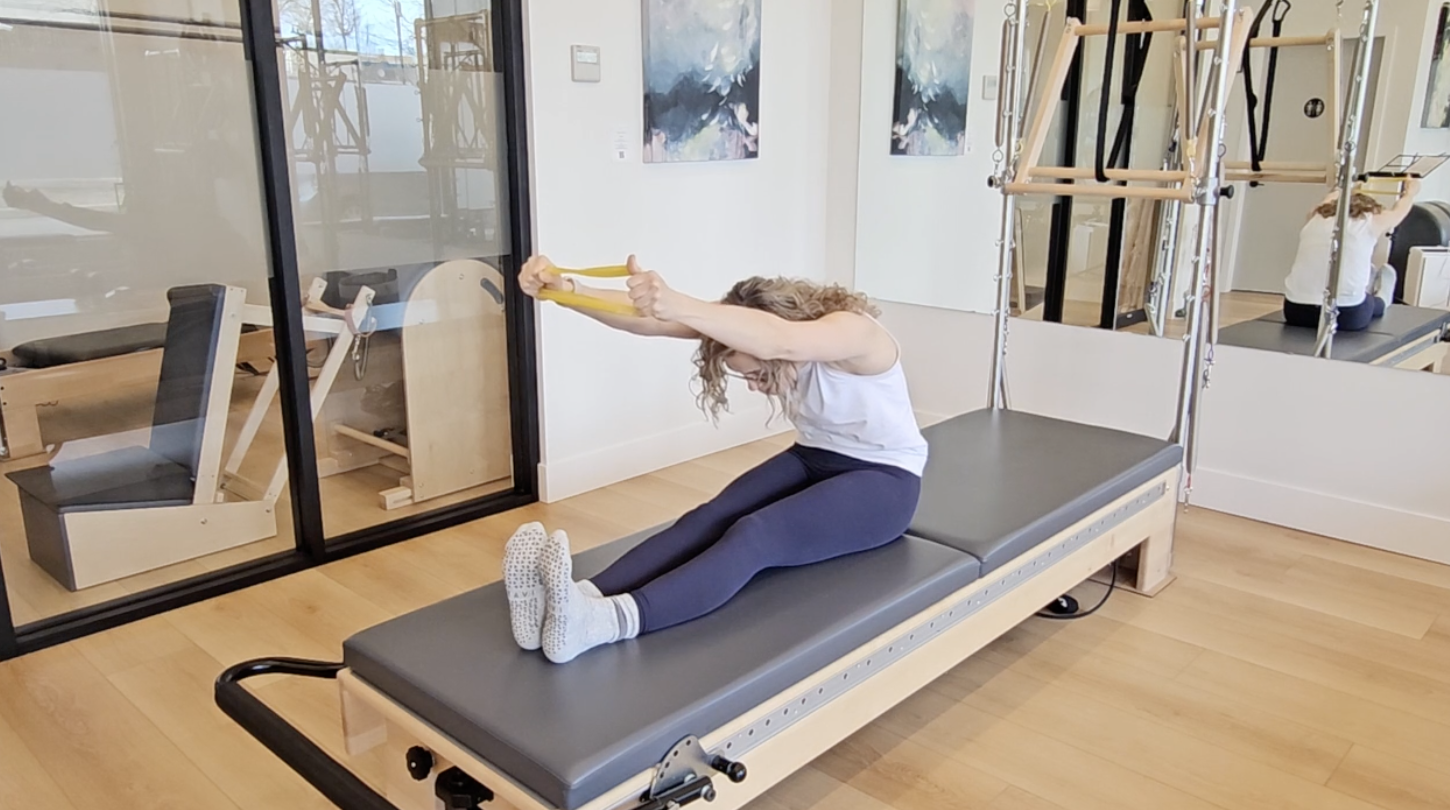
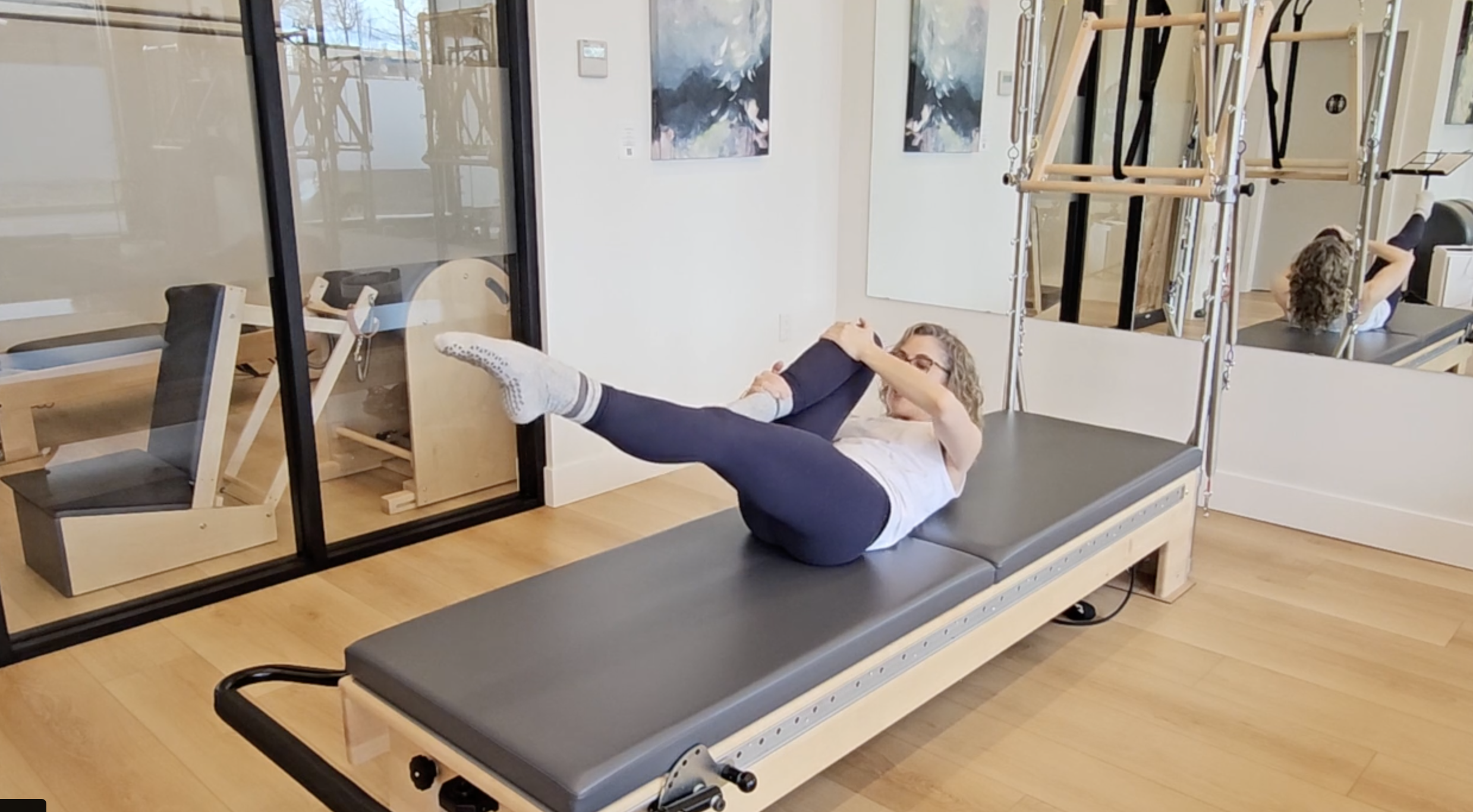
For the reformer, we often do stork and stomach massage, which are also amazing exercises to strengthen the psoas, as well as, so many others in the Pilates apparatus repertoire.
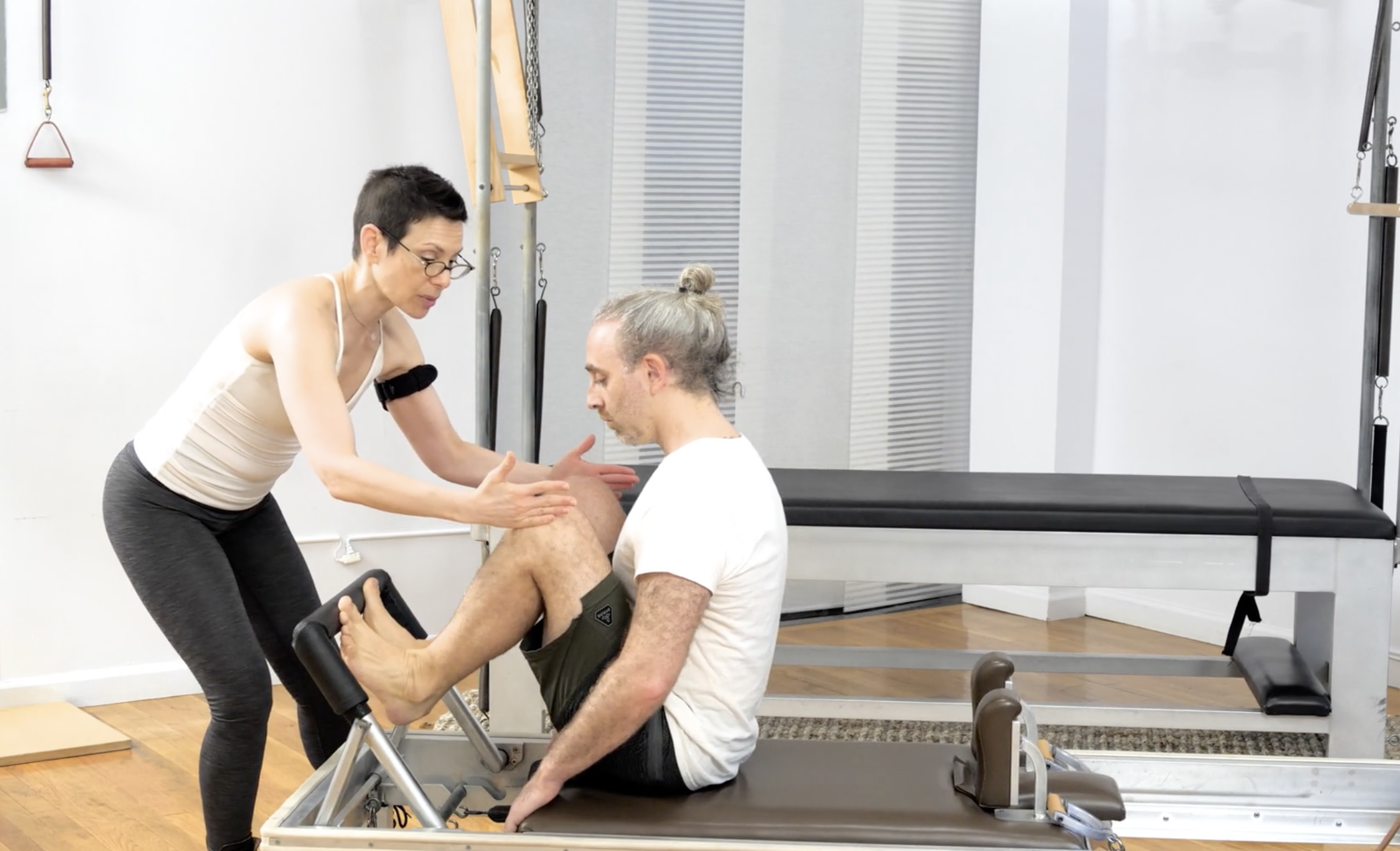
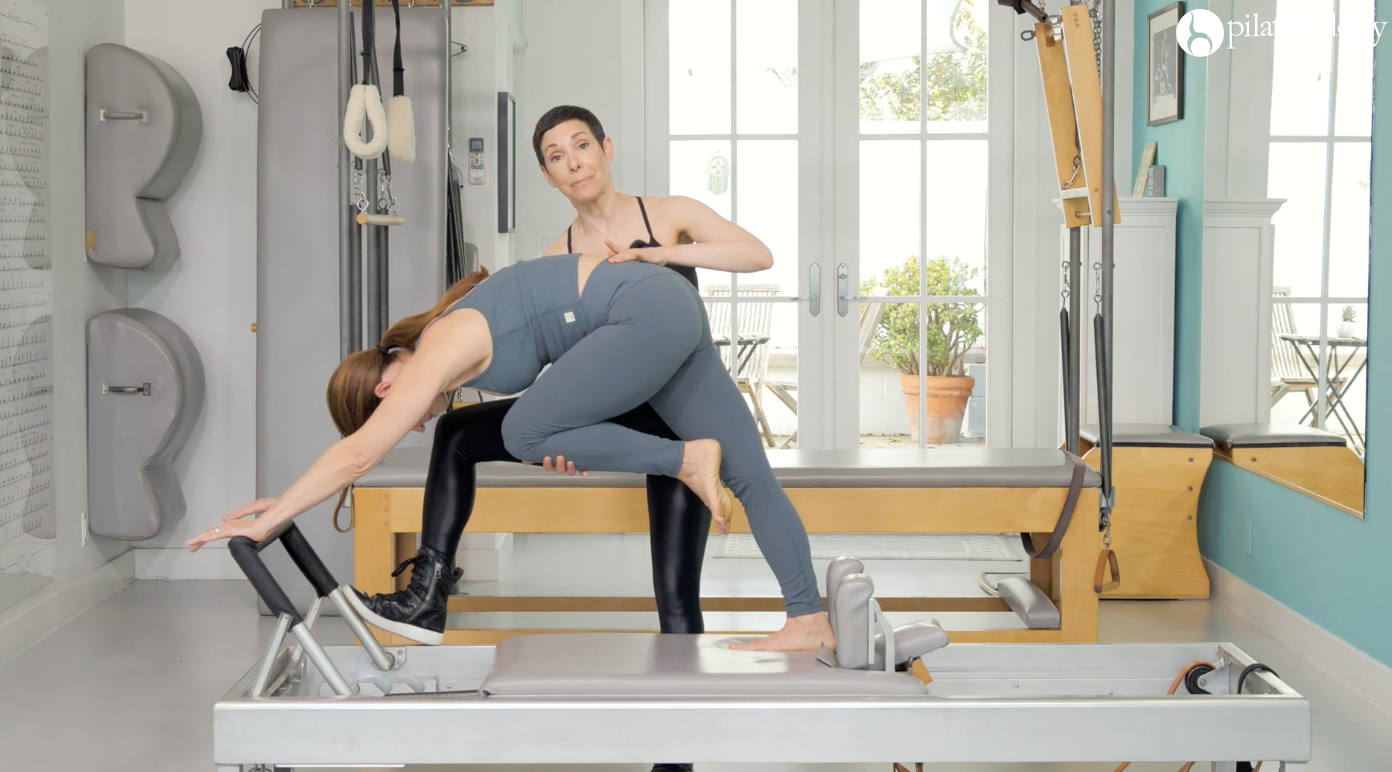
Shari Berkowitz on Pilatesology
Feeling tight and want a couple simple exercises to help?
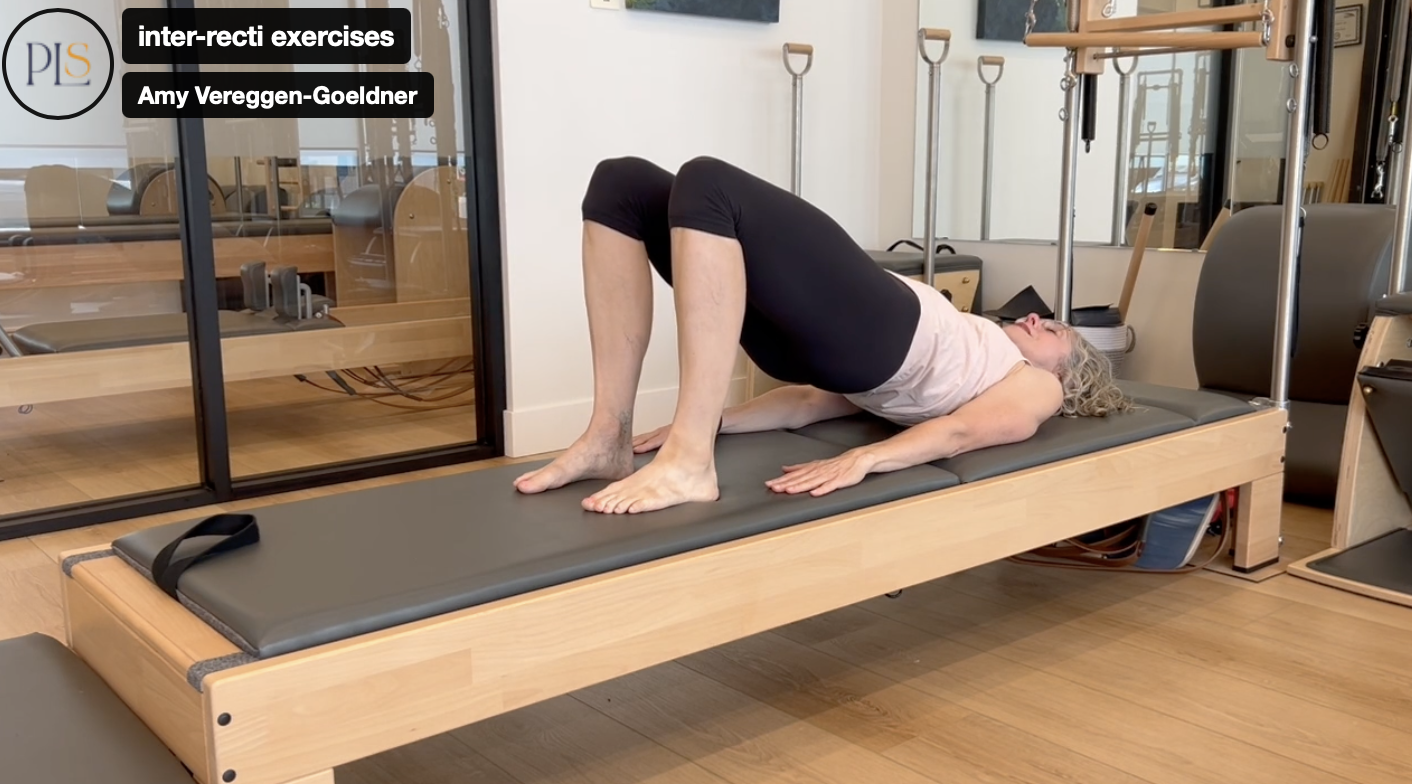
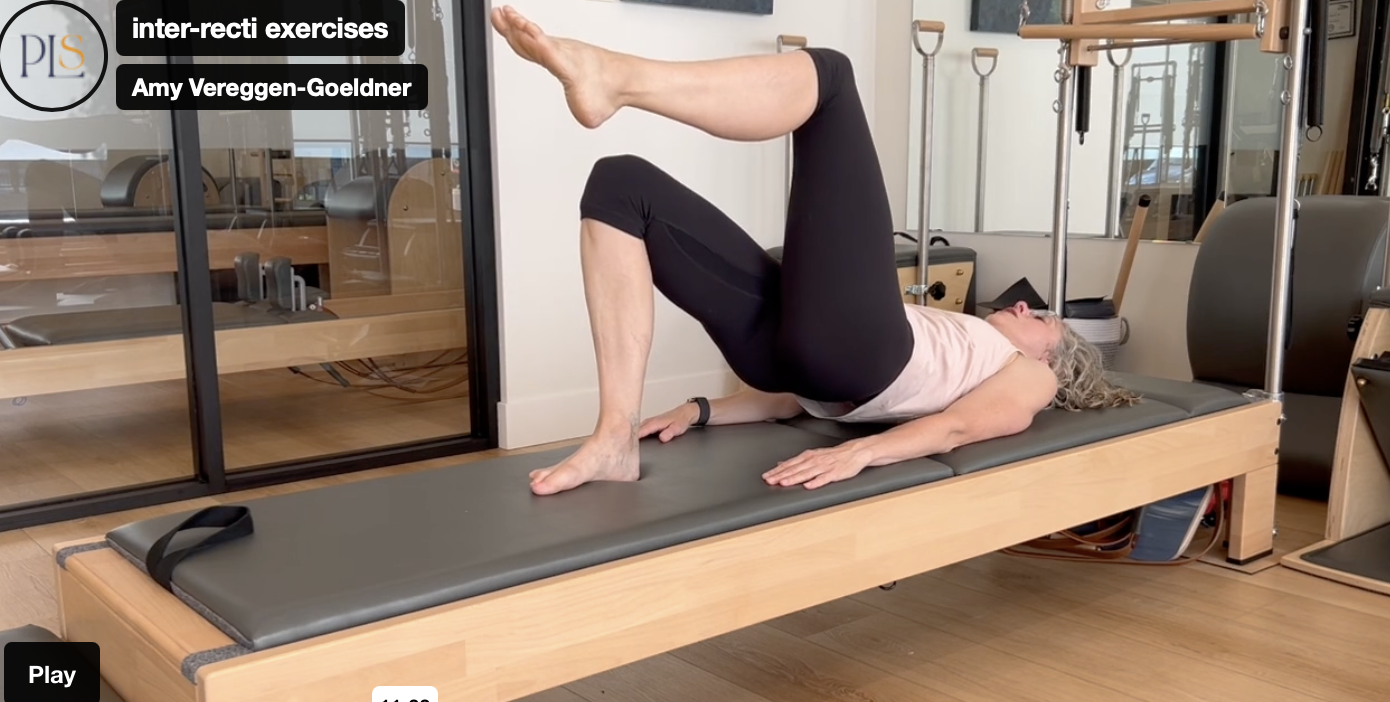
Try double leg and single glute bridges to strengthen the glutes, which will help support the low back while opening up the front of the hip.
iStock image
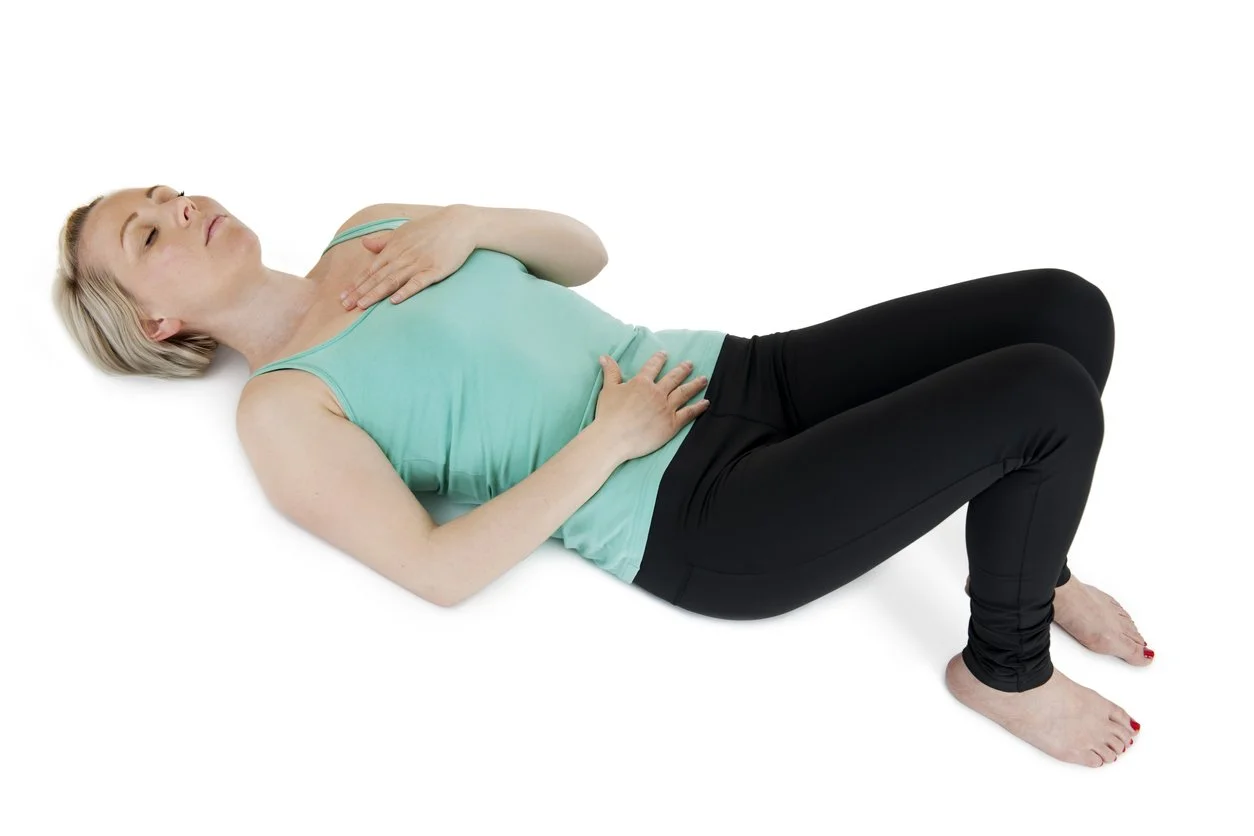
Try fingertip abdominals to connect to your TVA and build support for your low back to counter the pulling of the tight psoas. Gently pull the lower belly muscles away from the hand on top of the abdomen on the exhale.
iStock image
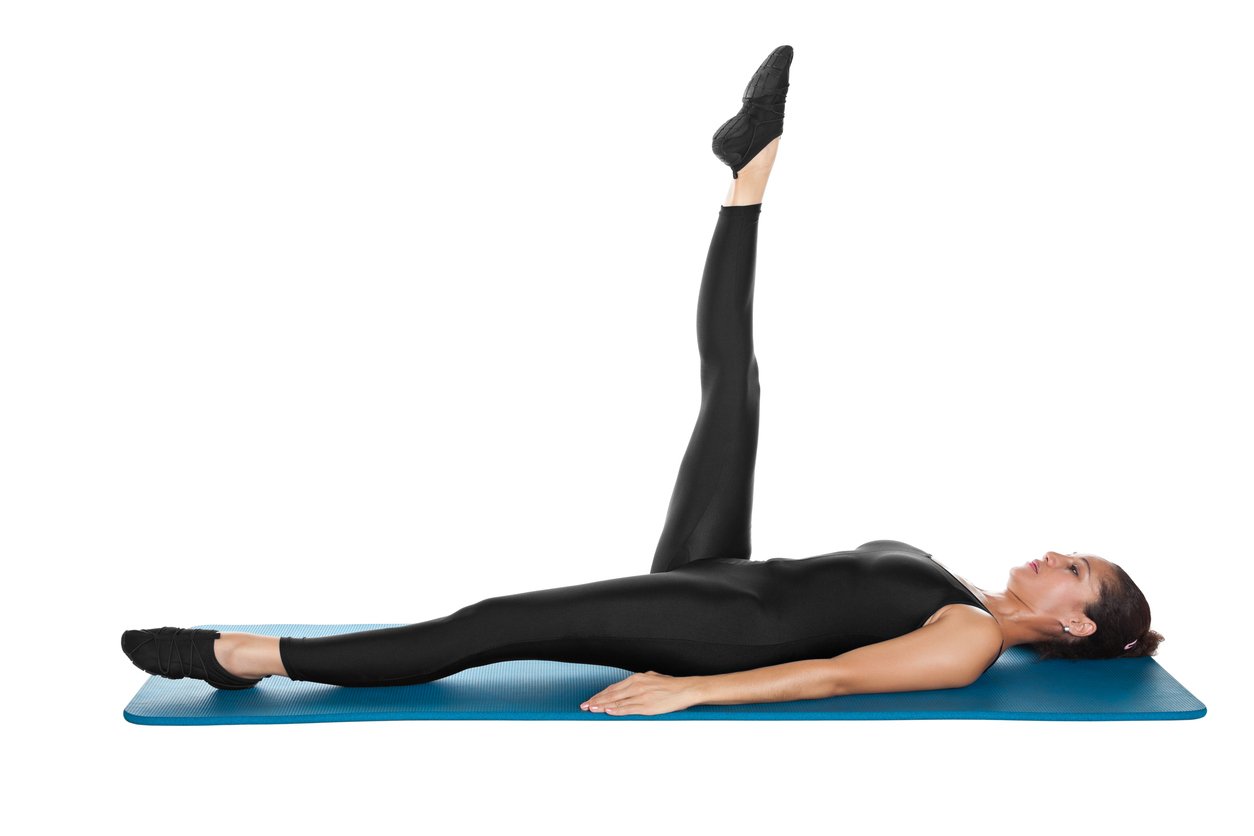
Try single leg circles with a straight leg to strengthen the psoas. When circling the leg, try to keep the pelvis and shoulders very still.
iStock image
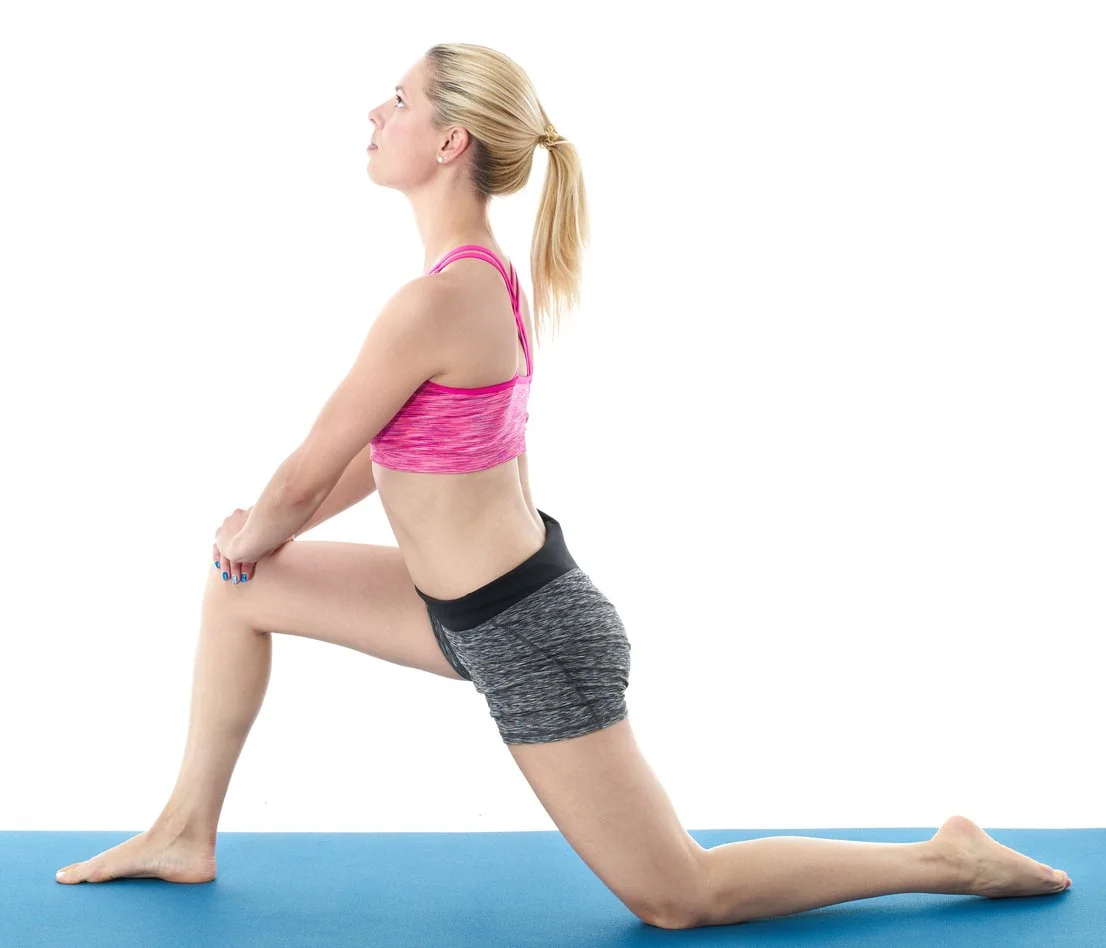
Try the best hip flexor stretch with a bonus of stretching the quadriceps as well.
Another great way? Attend Pilates apparatus classes at the studio several times per week, the Pilates Method has many exercises within the system to strengthen and lengthen the valuable and powerful psoas.
Resources
Zhou, E. F. M., Wong, A. Y. L., Lin, G., Huang, J., Fang, J., Liang, W., Cai, X., & Fu, S. N. (2026). Differences in Psoas Major Muscle Properties Between Elite Athletes with and Without Chronic Low Back Pain. Sports Medicine - Open, 12(1), 20. https://doi.org/10.1186/s40798-026-00983-5